
Introduction
Cleaning glass surfaces at height has always been one of the more difficult, time-consuming, and genuinely risky household tasks. Whether it is a large French window, a high-rise building panel, a bathroom mirror, or a shower door, getting glass truly streak-free requires effort, the right tools, and in many cases, an uncomfortable climb on a ladder or stool.
An automatic glass cleaning machine changes that entirely. These robotic devices attach to vertical glass surfaces, navigate across them independently, and deliver consistent, streak-free results without any manual scrubbing involved. Understanding how they work, what makes smart navigation central to their performance, and what features to prioritise helps you choose the right one for your needs.
What Is an Automatic Glass Cleaning Machine?
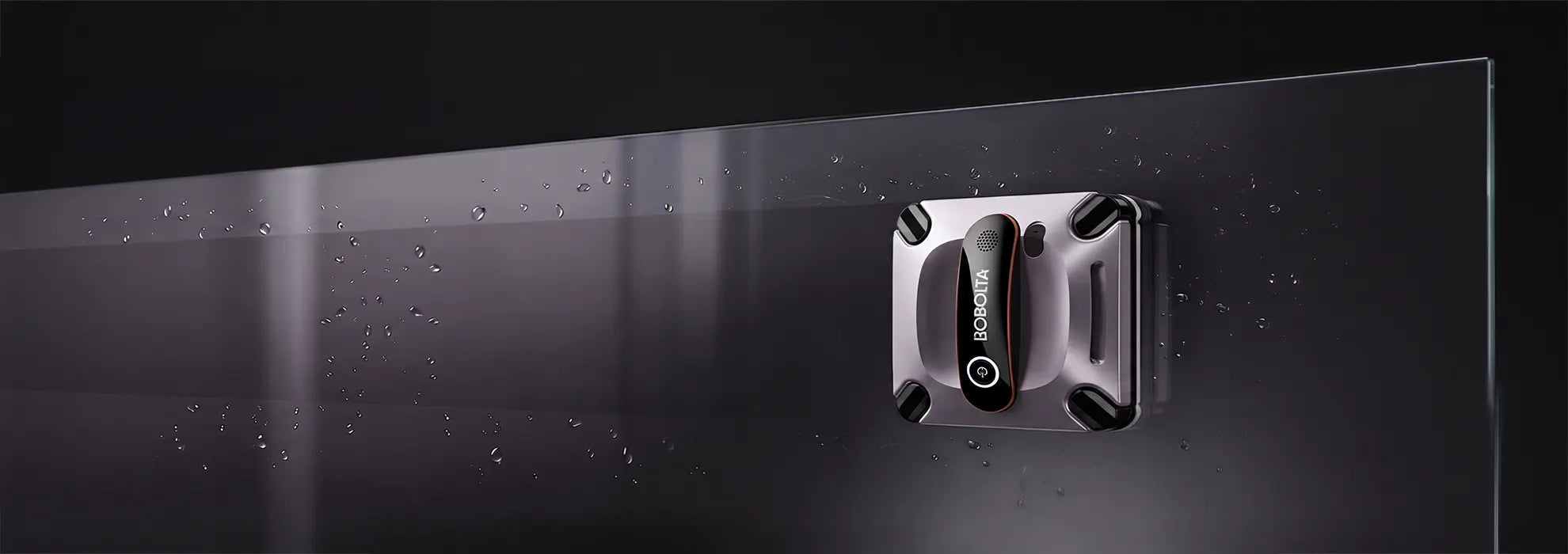
An automatic glass cleaning machine is a robotic device designed to clean vertical glass surfaces such as windows, mirrors, shower doors, tiles, and glossy walls without manual effort. It adheres to the surface using powerful suction, moves across it in a systematic pattern, sprays cleaning solution, scrubs, and wipes, all in a single pass.
Unlike a handheld window squeegee or a microfibre cloth, an automatic glass cleaner covers the entire surface methodically, including edges and corners that are often missed in manual cleaning. The navigation system ensures the robot does not miss sections, repeat areas unnecessarily, or move in erratic patterns that leave uneven results.
Smart navigation is what separates a capable automatic glass cleaning machine from a basic motorised wiper. It is the intelligence behind how the device maps the surface, detects edges, adjusts its path, and ensures complete coverage from the first pass to the last.
How Smart Navigation Works in Automatic Glass Cleaning Machines
Smart navigation in a glass cleaning robot operates through a combination of sensors, software algorithms, and real-time surface scanning. Here is how each component contributes.
Surface Edge Detection
Before the device begins cleaning, its edge sensors scan the boundaries of the glass surface. This tells the robot how large the area is and where the cleaning zone ends. Without edge detection, the robot risks moving off the glass or cleaning in incomplete rows that do not connect at the edges.
Path Planning Algorithms
Once the surface dimensions are established, the robot uses path planning software to divide the glass into logical rows or zones and move through them sequentially. This systematic approach ensures every part of the glass is covered rather than the robot moving randomly and leaving gaps.
Anti Drop Sensors
On vertical surfaces and high-rise windows, anti-drop sensors are critical. These sensors constantly monitor whether the surface beneath the device is still glass or has ended, and they stop the robot from moving past the boundary. This is both a safety feature for the device and a structural safeguard for surfaces below.
Real Time Adjustment
On surfaces with obstacles like window frames, handles, or irregular edges, smart navigation allows the robot to detect the obstruction and reroute around it rather than stopping completely or pushing against it. This real-time adjustment maintains cleaning continuity.
AI Powered Stain Recognition
More advanced automatic glass cleaning machines incorporate AI to analyse surface conditions during cleaning. AI stain recognition identifies areas with heavier soiling, water marks, or dried residue and adjusts the cleaning intensity or makes additional passes over those specific zones, rather than treating the entire surface with the same pressure.
Key Features of Automatic Glass Cleaning Machines
Suction Power and Surface Grip
A glass cleaning robot must stay securely attached to vertical surfaces during operation. This is achieved through suction, typically powered by an electric motor. Higher suction power, measured in Pascal (Pa), provides a more secure grip and performs better on surfaces that may have slight unevenness or texture. The RX7 Glassmate operates at 6,500Pa, which provides strong adhesion even on large, unframed glass panels.
Bionic Robotic Arm for Edge Coverage
A standard robotic arm follows the main body of the device and may leave a gap along the edges of the glass where the body cannot reach. A bionic robotic arm extends the cleaning reach to match the full boundary of the surface, enabling edge-to-edge coverage rather than leaving an uncleaned perimeter. This is one of the features that distinguishes advanced automatic glass cleaners from basic models.
Nano Spray Technology
The cleaning solution delivery method affects both the result and the amount of liquid used. A 12-micron nano-spray system atomises the cleaning liquid into extremely fine particles, ensuring even distribution across the glass without over-wetting. Over-wetting leads to streaks and drips, while under-wetting leaves dry patches. Nano-spray delivers the right amount of moisture consistently across the cleaning surface.
Safety System
On high windows or large glass panels, a safety rope provides a physical failsafe in the unlikely event that suction is interrupted. A 5-module stabilisation system adds another layer of security by monitoring the device's orientation and balance, making corrections to maintain a stable position throughout the cleaning cycle.
Control Options
Modern automatic glass cleaning machines offer multiple control modes to suit different situations. A remote control is useful for repositioning the device or adjusting cleaning direction without touching the glass. A companion mobile app allows scheduling, monitoring, and mode selection from a smartphone. Voice assistant compatibility adds hands-free control for users who prefer it.
Surface Compatibility
A capable automatic glass cleaning machine should work on more than just windows. Tiles, mirrors, marble panels, and glossy walls all benefit from the same robotic cleaning approach. Confirming that the device is rated for multiple smooth vertical surfaces extends its usefulness across the home.
Benefits of Using an Automatic Glass Cleaning Machine
Eliminates the Need for Ladders or Unsafe Reaches
High windows and large glass panels are often left uncleaned because reaching them manually is impractical or unsafe. An automatic glass cleaning machine handles these surfaces without any need to climb, lean, or stretch, which is a meaningful safety advantage in the home.
Consistent, Streak Free Results
Manual glass cleaning is prone to inconsistency. Different amounts of pressure, overlapping wipe paths, and uneven solution distribution all contribute to streaks and smears. A robotic glass cleaner follows a fixed systematic path with consistent pressure and spray, producing a more even result each time.
Saves Time on Large or Multiple Surfaces
In homes with large windows, French doors, floor-to-ceiling glazing, or multiple bathrooms, the cumulative time spent on manual glass cleaning adds up quickly. Setting an automatic glass cleaning machine to work and returning to a clean surface takes a fraction of that time.
Handles Tough Stains Effectively
Bird droppings, water marks, monsoon spotting, and dried soap residue are among the most common and stubborn glass cleaning challenges in Indian homes. AI-guided stain recognition and nano-spray technology address these directly, focusing extra cleaning effort exactly where it is needed.
Reusable Cleaning Pads
Cloth cleaning pads on a robotic glass cleaner are designed to be washed and reused, which reduces ongoing consumable costs and waste compared to disposable wipes or paper towels.
Practical Applications
High Rise Windows and Large Glass Panels
The primary use case is tall or wide windows that are impractical to clean manually with a standard cloth. A glass cleaning robot attaches directly to the glass and handles the full surface independently.
Shower Doors and Bathroom Glass
Soap scum and water marks on shower doors are a persistent problem in most households. An automatic glass cleaning machine manages these surfaces efficiently and maintains a cleaner result between deep cleans.
Mirrors
Large wall mirrors or wardrobe mirrors accumulate fingerprints, dust, and water splashes. Robotic cleaning delivers a consistent finish without the smear marks that often result from manual wiping.
Tiles and Glossy Walls
Kitchen tiles with cooking residue and bathroom tiles with soap deposits respond well to systematic robotic cleaning with appropriate cleaning solution.
Office and Commercial Glass Panels
For office spaces with large glass partitions or exterior windows, an automatic glass cleaning machine reduces the time and manpower required for regular maintenance.
Automatic Glass Cleaning Machine vs Manual Cleaning
| Feature | Automatic Glass Cleaning Machine | Manual Cleaning |
|---|---|---|
| Coverage Consistency | Systematic, edge-to-edge | Variable, often misses edges |
| Streak Risk | Low with nano-spray | Higher with incorrect technique |
| Safety on High Surfaces | No ladder required | Requires ladder or unsafe reach |
| Time Investment | Minimal, set and leave | Active effort throughout |
| Stain Detection | AI-guided in advanced models | Dependent on visual inspection |
| Effort Required | Low | High |
| Surface Types Covered | Glass, tiles, mirrors, marble | Any surface manually accessible |
| Result Consistency | High | Varies by technique |
Factors to Consider Before Choosing an Automatic Glass Cleaning Machine
Suction Power
Higher Pa ratings mean better adhesion on large or unframed surfaces. For standard domestic windows and mirrors, a mid-range suction is adequate. For large floor-to-ceiling panels or commercial glass, higher suction provides more reliable performance.
Edge Cleaning Capability
Check whether the model includes a bionic arm or extended cleaning reach for true edge-to-edge coverage. Models without this leave an uncleaned perimeter that requires manual follow-up.
Safety Features
For high windows, a safety rope attachment and multi-module stabilisation system are important. These protect the device from falls and ensure stable operation throughout the cleaning cycle.
Spray System
Nano-spray technology delivers better results with less liquid than basic spray systems. If streak-free results are a priority, this feature is worth confirming.
Control Flexibility
Consider whether remote control alone is sufficient or whether app connectivity and voice control add meaningful convenience for your situation.
Surface Compatibility
If the device will be used on tiles, marble, or mirrors in addition to windows, confirm the suction level and pad materials are appropriate for those surfaces.
Common Questions People Ask About Automatic Glass Cleaning Machines
Can a Glass Cleaning Robot Fall Off the Window?
Professional-grade robots include multiple safeguards against this: strong suction, anti-drop edge sensors, and a physical safety rope. When all three are in place, the risk of the device falling is minimal under normal operating conditions.
Does It Work on All Types of Glass?
Most automatic glass cleaning machines work on smooth glass, tempered glass, and double-glazed windows. They are not suitable for frosted, textured, or mesh glass where suction cannot form a consistent seal.
How Does It Handle Window Frames or Handles?
Smart navigation with real-time obstacle detection allows the robot to identify frames and handles and route around them rather than stopping. The exact handling depends on the model and the complexity of the frame design.
Does It Leave Water Marks?
A well-calibrated nano-spray system delivers just enough liquid to clean without over-wetting, which is what causes drip marks and residual streaking. Using the correct dilution of cleaning solution also contributes to a mark-free finish.
How Often Do the Cleaning Pads Need Replacing?
Reusable microfibre pads can typically be washed and used multiple times. Replacement frequency depends on usage, but most manufacturers recommend inspection after every 30 to 50 cleaning cycles.
FAQs
1. What Surfaces Can an Automatic Glass Cleaning Machine Clean?
Most models clean smooth glass windows, mirrors, shower doors, tiles, marble, and glossy walls. They are not suitable for textured, frosted, or mesh surfaces where suction cannot seal properly.
2. Is It Safe to Use on High Rise Windows?
Yes, provided the model includes a safety rope, anti-drop sensors, and a multi-module stabilisation system. These features together ensure the device stays securely attached and stops before reaching the edge of the glass.
3. How Does AI Stain Recognition Improve Cleaning?
AI stain recognition analyses the surface in real time and identifies areas with heavier soiling. The robot then applies additional cleaning effort to those zones rather than treating the entire surface uniformly, which produces better results on stubborn marks like bird droppings or water scale.
4. Can I Control the Robot While It Is Cleaning?
Yes. Most advanced models support remote control for manual direction, a companion app for monitoring and scheduling, and voice assistant commands for hands-free adjustments during the cleaning cycle.
5. Does the Robot Need to Be Refilled with Cleaning Solution During Use?
This depends on the size of the surface being cleaned and the capacity of the device's solution reservoir. For standard windows and mirrors, most robots complete the surface on a single fill. Larger surfaces may require a refill.
6. What Is the Difference Between 6,500Pa and Lower Suction Models?
Higher Pa ratings indicate stronger suction force, which provides more secure adhesion on large, unframed, or slightly uneven surfaces. Lower suction is adequate for small or standard framed windows but may be insufficient on large commercial glass or surfaces with minor imperfections.
7. How Do I Clean the Microfibre Pads?
Most pads can be removed and hand washed or machine washed on a gentle cycle. Allow them to dry fully before reattaching. Avoid fabric softener, which can reduce the microfibre's cleaning effectiveness.
Key Takeaways
- An automatic glass cleaning machine uses suction, smart navigation, and systematic path planning to clean vertical glass surfaces without manual effort.
- Smart navigation relies on edge detection sensors, path planning algorithms, anti-drop protection, and real-time surface adjustment.
- AI stain recognition identifies heavy soiling and applies additional cleaning effort to those specific areas.
- Key features to evaluate include suction power, bionic arm edge coverage, nano-spray system, safety rope, and control options.
- These devices work on windows, mirrors, shower doors, tiles, marble, and glossy walls.
- Compared to manual cleaning, robotic glass cleaners deliver more consistent coverage, reduce streak risk, and eliminate the need for ladders on high surfaces.
Also, Read Wet and Dry Vacuum Cleaner: What to Know Before Buying
Conclusion
Automatic glass cleaning machines represent a practical and meaningful upgrade over manual window cleaning, particularly for homes with large glass panels, high windows, or surfaces that are awkward to reach safely. The combination of smart navigation, AI stain recognition, nano-spray technology, and secure suction produces results that are consistently better than what most people achieve by hand, and without any of the effort or safety risk.
The RX7 Glassmate by Robolta, India's first AI-powered robotic glass cleaner, brings together 6,500Pa suction, a bionic robotic arm for full edge-to-edge coverage, 12-micron nano-spray, a 5-module stabilisation system with anti-drop sensors, and multiple control modes including remote, app, and voice assistant. Explore the RX7 Glassmate at roboltaofficial.
Share:
Wet and Dry Vacuum Cleaner: What to Know Before Buying
Best Robot Vacuum Cleaner Features That Truly Matter