
Keeping glass surfaces clean in office buildings is no longer just about appearance. Clear windows affect natural light, employee comfort, and how professional a workspace feels to clients. With larger glass façades and tighter safety rules, traditional manual cleaning often raises questions around risk, cost, and consistency. This is where robotic glass cleaners have started to gain attention, especially among facility managers looking for smarter cleaning methods.
Understanding Robotic Glass Cleaners
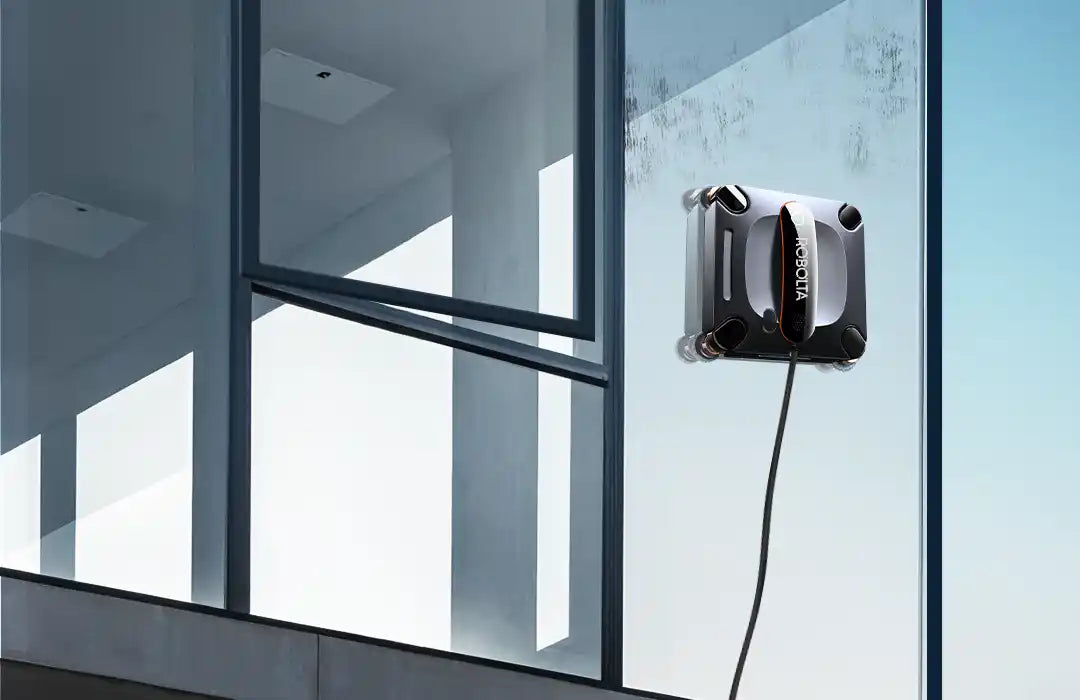
Robotic glass cleaners are compact machines designed to clean vertical glass surfaces using suction, sensors, and automated movement patterns. They attach securely to windows and move methodically to remove dust, fingerprints, and grime without constant human handling.
How They Work in Simple Terms
These machines rely on strong suction motors to stay attached to glass. Built-in sensors help them detect edges and adjust movement, while cleaning pads or microfibre cloths wipe the surface as the unit travels. Most models can be controlled remotely or set to follow a predefined cleaning pattern.
Why Office Buildings Present a Unique Challenge
Office buildings often feature large glass panels, high-rise windows, and hard-to-reach areas. Cleaning these surfaces manually usually involves scaffolding, lifts, or rope access, all of which increase operational risk and disruption.
Safety Concerns with Manual Cleaning
Working at height carries clear hazards. Even with trained staff and safety gear, accidents can occur. Robotic cleaners reduce the need for cleaners to physically access dangerous areas, which makes them appealing from a workplace safety perspective.
Suitability for Different Office Environments
Not every office building has the same requirements. The suitability of robotic glass cleaners depends on design, usage, and maintenance expectations.
High-Rise Office Buildings
For tall commercial buildings with expansive glass façades, robotic cleaners can support regular surface maintenance. They are particularly useful for interim cleaning between deep professional services, helping keep windows presentable throughout the year.
Mid-Sized Offices and Corporate Campuses
Buildings with large internal glass partitions, meeting room walls, and accessible exterior windows also benefit. Robots can be used after office hours, reducing disruption during the working day.
Cleaning Performance and Results
A common concern is whether robots clean as effectively as humans. In most office settings, these machines handle routine dirt, dust, and marks well.
What They Do Well
- Remove fingerprints and surface dust.
- Maintain a consistent cleaning pattern.
- Reach areas that are awkward for manual access.
Where Manual Cleaning Still Helps
Heavily soiled glass, paint residue, or post-construction debris may still require hands-on cleaning. Robotic cleaners are best seen as a support tool rather than a full replacement for professional services.
Impact on Cost and Maintenance Planning
Office managers often weigh technology adoption against long-term cost control.
Ongoing Cost Benefits
While the initial purchase may seem high, robotic cleaners can reduce recurring labour expenses and lower the frequency of high-risk cleaning operations. Over time, this can support more predictable maintenance budgets.
Minimal Training Requirements
Most systems are straightforward to operate. Facility teams can manage them with basic training, avoiding the need for specialist contractors for routine tasks.
Noise, Disruption, and Daily Office Use
Robotic glass cleaners are generally quiet and compact. This makes them suitable for use outside peak hours or even during quieter parts of the working day without disturbing employees.
Flexibility in Scheduling
They can be deployed early in the morning, after hours, or on weekends. This flexibility helps offices maintain cleanliness without interrupting meetings or daily workflows.
Environmental and Operational Considerations
Modern offices often prioritise sustainability and responsible resource use.
Reduced Water and Chemical Use
Robotic cleaners typically require less water and cleaning solution than traditional methods. This supports cleaner practices while still maintaining visual standards.
Choosing the Right Robot for Office Use
Before investing, offices should consider glass size, height, and surface type. Features such as strong suction, safety backups, and remote control improve reliability in commercial settings. Robolta offers solutions designed to handle large glass surfaces with control features suited for professional environments.
Also, Read 6 Facts That Show Glass Cleaning Robots Are Eco-Friendly
Conclusion
Robotic glass cleaners are well-suited for office buildings when used as part of a wider cleaning strategy. They improve safety, support regular maintenance, and help manage costs over time. While they do not fully replace professional deep cleaning, they offer a practical way to keep office glass surfaces consistently clean. If your workplace relies heavily on glass for light and design, exploring robotic cleaning solutions could be a worthwhile step towards safer and more efficient building care.
Share:
Robolta vs Traditional Vacuum: What’s the Best Choice?
9 Advantages of Switching to a Robotic Vacuum Cleaner