
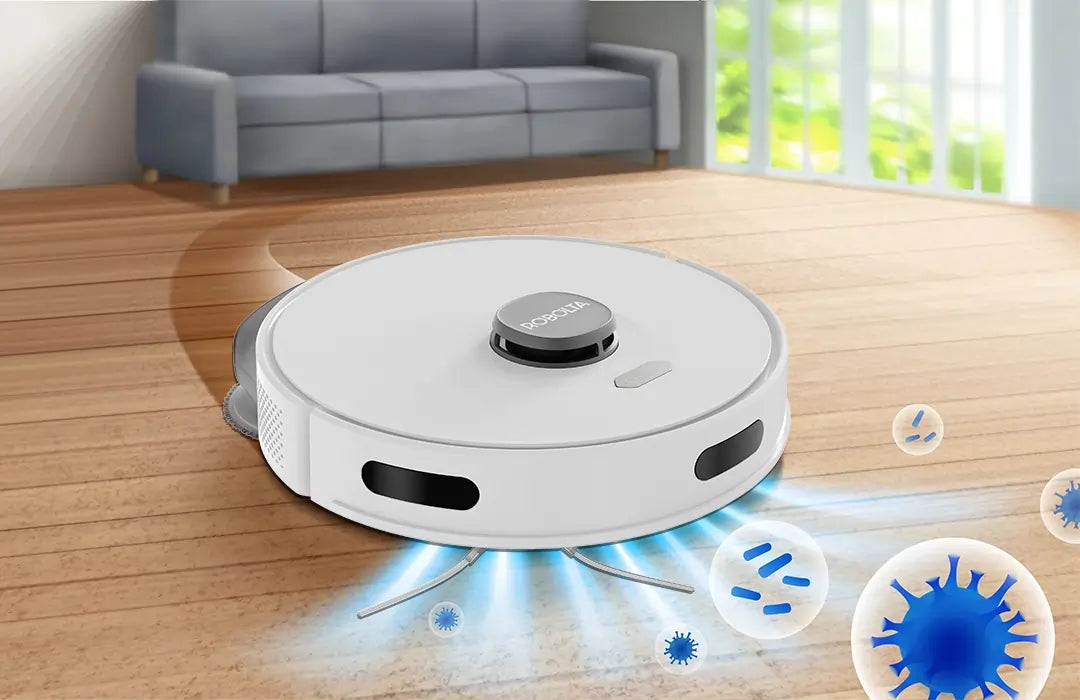
Smart homes are no longer just about convenience. Today, homeowners want devices that make everyday life easier while also supporting responsible energy use. As awareness about sustainability grows, many families are switching to smart cleaning devices that help reduce waste, conserve water, and cut electricity usage.
Brands like Robolta have transformed home cleaning with AI-powered solutions that work efficiently, adapt to your household needs, and minimise resource consumption. Here is how smart cleaning devices play an important role in saving water and electricity while keeping your home consistently clean.
1. Intelligent Sensors Reduce Excessive Power Use
Smart cleaning devices use sensors that help determine how much power is actually required for a task. Instead of running at full capacity all the time, they adjust their performance based on the surface, dirt level, or room size.
For example:
- Light dirt requires lower suction
- Heavily soiled areas trigger higher cleaning power
- Empty or less-used rooms consume less energy
This sensor-based cleaning prevents unnecessary electricity usage, making your cleaning routine energy efficient.
2. Automated Cleaning Paths Prevent Repeated Cleaning Cycles
Traditional cleaning often wastes electricity because people go over the same surface multiple times. Smart cleaning devices use AI-based mapping to follow an organised pattern, covering each area only once unless needed.
This leads to:
- Shorter cleaning time
- Reduced energy consumption
- No repeated movement over clean areas
Efficient navigation is one of the most significant advantages of AI-powered devices and directly contributes to electricity savings.
3. Scheduled Cleaning Saves Power During Peak Hours
Smart devices allow you to schedule cleaning sessions at specific times. Many homeowners choose to run their devices during low-energy demand periods when electricity usage is more stable.
By avoiding peak time consumption, smart cleaning systems help:
- Reduce household energy demand
- Lower electricity costs
- Improve overall energy management
Scheduling also ensures that cleaning happens only when required, not randomly throughout the day.
4. Waterless or Low Water Cleaning Technologies Reduce Waste
Several smart cleaning devices, including robotic vacuums and glass cleaners, do not require water at all. This helps eliminate daily water usage that comes with mopping or manual scrubbing.
For devices that use water, the technology ensures minimal wastage:
- Controlled spray mechanisms
- Micro mist cleaning
- Sensors that stop water use when the surface is clean
This targeted approach replaces traditional bucket and mop methods that often use far more water than necessary.
5. Reusable Microfiber Pads Reduce Daily Water Consumption
Smart cleaning devices are designed to work with reusable cleaning pads instead of disposable ones. These pads:
- Absorb dust better
- Require less water to wash
- Last for many cleaning cycles
By avoiding excessive rinsing and repeated washing, reusable pads help reduce household water use significantly.
6. Fully Automated Cleaning Reduces Human Error and Waste
Manual cleaning often leads to water and electricity use beyond what is actually required. People may:
- Leave taps running
- Use too much water for mopping
- Forget to turn off the vacuum
- Spend extra time on simple tasks
Smart cleaning devices remove these inefficiencies by using controlled systems. They start, operate, and stop automatically, which prevents accidental or careless overuse of resources.
7. Energy Efficient Motors Use Less Power Than Traditional Appliances
Modern smart cleaning devices are designed with:
- High efficiency motors
- Optimised power delivery
- Energy-saving microchips
These features allow them to deliver stronger cleaning with lower electricity consumption compared to older machines or manual tools.
8. Less Frequent Cleaning Needed Due to Higher Efficiency
Because smart cleaners do a more thorough job, you do not need to clean as often. Consistent, automated cleaning prevents heavy dirt buildup, which means:
- Shorter cleaning sessions
- Less water needed for tough stains
- Lower electricity use each week
The cumulative savings over time are significant.
9. Long-Lasting Devices Reduce Environmental Impact
Smart devices are built for long-term use, meaning fewer replacements and less waste. High-quality robotic cleaners minimise the need for additional tools, single-use items, or frequent breakdown repairs.
For eco-conscious households, this long lifespan contributes to both cost reduction and sustainable living.
Why Robolta Stands Out in Smart, Energy-Efficient Cleaning
Robolta focuses on AI-driven cleaning solutions that reduce unnecessary effort and resource consumption. Their products use intelligent mapping, secure sensors, and efficiency-focused designs that help homeowners maintain a clean space without wasting electricity or water. With modern build quality and smart automation, the brand supports both convenience and sustainability in everyday cleaning.
Also, Read 9 Proven Benefits of Investing in a Robotic Glass Cleaner
Conclusion
Smart cleaning devices are more than high-tech household tools. They are reliable systems that help you use less water, consume less electricity, and maintain a cleaner home with minimal effort. By choosing intelligent solutions that adapt to your space and optimise resource use, you take a step toward smarter, more sustainable living. Explore Robolta's innovative cleaning devices and make your home both energy efficient and effortlessly clean.
Share:
9 Proven Benefits of Investing in a Robotic Glass Cleaner
Why Robot Vacuums Are Better for Dust Allergies?